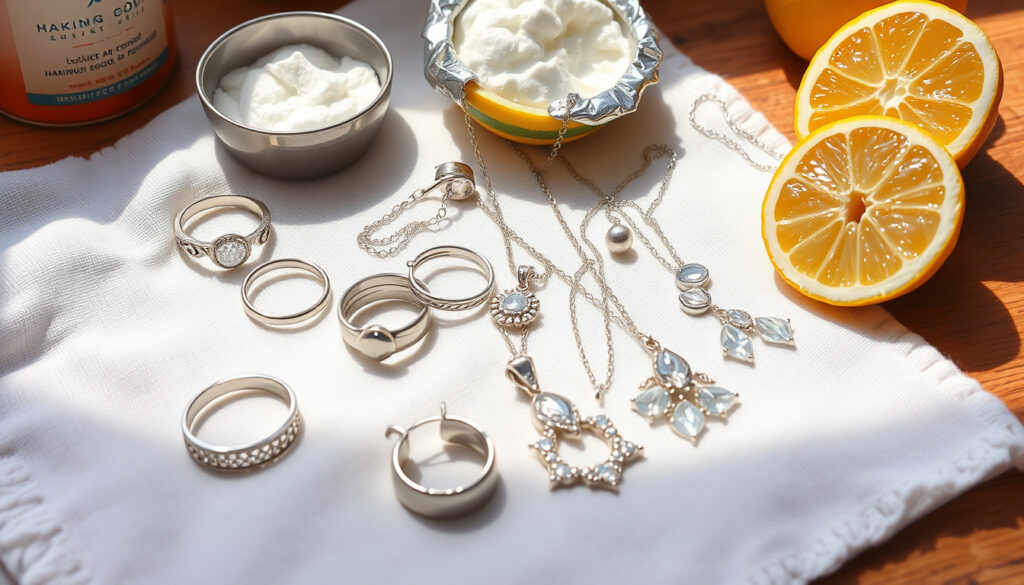
How to Clean Silver Jewelry – Simple Home Remedies That Work
Tarnished silver jewelry can lose its luster quickly, but restoring that brilliant shine doesn’t require expensive professional services. Household items like baking soda and aluminum foil offer an effective, eco-friendly solution that has been trusted by collectors and jewelry enthusiasts for years. Understanding the science behind these methods helps ensure safe, lasting results for your favorite pieces.
Silver jewelry tarnishes when it reacts with sulfur compounds present in air and everyday substances. This natural process affects all silver items, from delicate necklaces to statement rings. The good news is that most tarnished silver can be restored using simple ingredients found in most kitchens, making regular maintenance accessible and affordable for everyone.
What Is the Best Way to Clean Silver Jewelry at Home?
Several household methods claim to restore silver’s shine, but some work better than others. Below is a comparison of the most popular techniques to help you choose the right approach for your jewelry.
Method Comparison at a Glance
| Method | Time Required | Materials Needed | Best For |
|---|---|---|---|
| Baking Soda + Aluminum Foil | 10–15 minutes | Foil, baking soda, salt, hot water | Heavy tarnish, whole pieces |
| Baking Soda Paste | 5–10 minutes | Baking soda, water, soft cloth | Spot cleaning, detailed items |
| Toothpaste | 5 minutes | Non-gel white toothpaste, brush | Light maintenance, quick polish |
| White Vinegar Soak | 10–15 minutes | Vinegar, water, salt (optional) | Light tarnish, natural approach |
Key Insights for Silver Cleaning Success
- Tarnish forms when silver reacts with hydrogen sulfide in the air, creating silver sulfide that appears as a dark discoloration
- The baking soda and aluminum foil method works through an electrochemical reaction that transfers tarnish to the foil rather than abrasive cleaning
- Never use harsh chemicals, bleach, or abrasive materials that can scratch or damage the silver surface
- Always test any cleaning method on a small, inconspicuous area before applying it to the entire piece
- Stone-set jewelry requires special care—avoid abrasive methods that could loosen gems or damage settings
- Drying silver immediately after cleaning prevents water spots and reduces re-tarnishing
Essential Facts About Silver Jewelry Care
| Fact | Detail | Source |
|---|---|---|
| Primary cause of tarnish | Reaction with hydrogen sulfide in air | Material science |
| Safest home method | Baking soda electrochemical reaction | Jewelry care experts |
| Methods to avoid | Dishwasher, bleach, harsh abrasives | Jewelry associations |
| Sterling silver composition | 92.5% pure silver, 7.5% other metals | Industry standards |
| Alloy effect on tarnish | Copper content speeds up tarnishing | Metallurgical research |
| Eco-friendly option | Baking soda and foil—non-toxic, natural | Environmental guides |
While home methods work well for most silver jewelry, valuable antiques and pieces with uncertain provenance should be evaluated by a professional jeweler. Home cleaning risks altering patina, damaging delicate finishes, or affecting the piece’s collector value.
How Do You Clean Silver Jewelry with Baking Soda and Aluminum Foil?
The baking soda and aluminum foil method is widely regarded as the most effective household approach for cleaning tarnished silver. This technique relies on an electrochemical process that safely removes tarnish without abrading the metal surface, making it suitable for most silver jewelry including sterling silver pieces and silverplate items.
Understanding the Science Behind the Method
When baking soda, salt, hot water, and aluminum foil combine, they create a chemical environment that reverses the tarnishing process. Silver sulfide—the compound responsible for the dark discoloration—breaks down and transfers to the aluminum foil instead of remaining on your jewelry. This reaction mimics the processes used by museums to preserve silver artifacts, as documented by museum conservators, making it a trusted approach for everyday pieces.
Step-by-Step Instructions for Small Items
- Line a glass or metal dish with aluminum foil, placing the shiny side facing upward
- Arrange your silver items in the dish, ensuring each piece contacts the foil without overlapping
- Bring 2 cups of water to a boil, then carefully pour it into the dish to cover the jewelry
- Sprinkle 2 tablespoons of baking soda over the items, adding 1–2 tablespoons of salt if available for faster results
- Allow the pieces to soak for 2–15 minutes, depending on the level of tarnish present
- Use tongs to remove items, rinse them in warm soapy water, then dry thoroughly with a soft microfiber cloth
The water may develop a yellowish tint during the process—this is normal and indicates the tarnish is transferring to the foil. A slight sulfur smell may also occur, which is harmless but can be minimized by using washing soda as an alternative for larger pieces. Heavily tarnished items may require a second treatment for optimal results.
The Baking Soda Paste Method for Detailed Pieces
For jewelry with intricate designs, crevices, or gemstones that make soaking impractical, a baking soda paste offers a gentler alternative. According to cleaning guides, mixing baking soda with just enough water to form a thick paste creates a mild abrasive that can be applied with a soft cloth or sponge.
- Combine baking soda with water to create a thick, spreadable paste
- Apply the paste to tarnished areas using gentle circular motions with a soft cloth or sponge
- Allow the paste to sit for 30 seconds for light tarnish or up to 10 minutes for heavy discoloration
- Rinse thoroughly with cool water, paying special attention to detailed areas
- Dry completely and buff with a soft cloth to restore shine
For heavily tarnished pieces, combining both methods delivers the best results. Start with the foil soak to remove the bulk of tarnish, then follow with a gentle paste application to address any remaining spots and bring out additional shine.
Can You Use Toothpaste or Vinegar to Clean Silver Jewelry?
Both toothpaste and white vinegar appear frequently in home cleaning recommendations, but understanding their limitations helps prevent accidental damage to your silver pieces.
Toothpaste: Quick Fix with Caveats
Non-gel, white toothpaste can provide a mild abrasive action that removes light tarnish and adds shine to sterling silver jewelry. The approach involves applying a small amount to a soft-bristle brush or cloth, gently rubbing the surface, then rinsing and drying thoroughly. However, toothpaste lacks the chemical action of the baking soda method, making it less effective for moderate to heavy tarnish.
Several important restrictions apply to this method. Toothpaste should never be used on jewelry containing gemstones, as the abrasive particles can scratch stone surfaces or damage settings. Antique pieces should also be excluded, as the mild abrasion can alter natural patina that contributes to their value and character.
Vinegar: Natural Approach with Precautions
White vinegar diluted with equal parts water creates an acidic solution that can dissolve light tarnish from silver surfaces. Soaking jewelry in this mixture for 10–15 minutes, then rinsing and drying, offers a chemical-free alternative for minor discoloration. Adding baking soda to vinegar produces a fizzing reaction that helps dislodge particles from detailed designs.
The acidic nature of vinegar requires careful consideration before use on valuable or antique pieces. Testing on a small, hidden area first helps determine whether the solution might affect the piece’s finish. For everyday sterling silver items without special value, diluted vinegar provides a budget-friendly and eco-conscious option.
Methods to Avoid
| Method | Risk Level | Reason to Avoid |
|---|---|---|
| Dishwasher cleaning | High | Extreme heat and harsh detergents strip plating and damage settings |
| Ultrasonic cleaners (home use) | Moderate to High | Can damage stones, loosen glue, remove thin plating layers |
| Commercial chemical cleaners | Moderate | Often contain harsh ingredients; less eco-friendly; may leave residues |
| Bleach or ammonia | Very High | Causes permanent damage, discoloration, and metal degradation |
How Do You Prevent Silver Jewelry from Tarnishing?
Prevention proves far easier than restoration when it comes to maintaining silver jewelry’s appearance. Understanding what accelerates tarnish helps you develop habits that keep your pieces bright between cleanings.
Storage Best Practices
Silver jewelry should be stored in anti-tarnish bags or wraps, which create a protective barrier against air and humidity. According to care guidelines, keeping pieces away from rubber bands and certain foods like eggs significantly reduces tarnish formation, as these materials contain sulfur compounds that accelerate the reaction.
Adding silica gel packets or small pieces of chalk to storage areas helps absorb excess moisture that contributes to tarnishing. Jewelry boxes lined with anti-tarnish fabric provide an additional layer of protection for valuable pieces. For items worn regularly, storing them in soft cloth pouches between uses offers convenient protection without requiring extensive preparation.
Daily Wear Considerations
Wearing silver jewelry regularly actually helps maintain its shine, as the friction against skin and clothing gently polishes the surface. However, perfumes, lotions, and perspiration can accelerate tarnishing, so applying these products before putting on silver pieces allows them to dry and absorb before contact.
Removing silver jewelry before swimming, exercising, or performing household cleaning tasks protects it from exposure to chlorine, sweat, and harsh chemicals. Showering with jewelry also introduces soaps and shampoos that can affect the metal’s appearance over time.
Cleaning Frequency Guide
Regular maintenance schedules depend on how often pieces are worn and the environment they’re exposed to. For jewelry worn daily, a light polish with a soft cloth once or twice weekly maintains shine between deeper cleanings. Pieces worn occasionally benefit from inspection and light polishing monthly, with more thorough cleaning every one to three months.
Always ensure silver jewelry is completely dry before storing it. Even small amounts of moisture trapped in intricate designs can accelerate tarnish formation during storage periods.
How Often Should You Clean Silver Jewelry?
Establishing a consistent cleaning routine helps maintain your silver jewelry’s appearance while preventing the need for intensive restoration efforts. The frequency depends largely on wearing habits, storage conditions, and individual skin chemistry.
Recommended Cleaning Schedule
- Daily wear items: Wipe with a soft polishing cloth after each wear to remove oils and prevent buildup
- Weekly maintenance: For frequently worn pieces, a quick polish with microfiber cloth maintains shine
- Monthly deep cleaning: Use the baking soda and foil method or paste treatment for pieces showing visible tarnish
- Quarterly inspection: Check all storage items, clean those showing signs of tarnish, and verify condition of settings
Jewelry exposed to humid climates, chlorine, or frequent perspiration may require more frequent attention. Pieces with intricate designs or stone settings should be inspected regularly for any loose components that cleaning might dislodge.
What Methods Work and What Remains Uncertain?
While some silver cleaning approaches have solid scientific backing, others lack comprehensive testing or produce inconsistent results depending on specific circumstances.
Well-Established Methods
- The baking soda and aluminum foil electrochemical reaction reliably removes tarnish from most silver items
- Polishing cloths effectively maintain shine on lightly tarnished pieces
- Proper storage significantly reduces tarnish formation rates
- Immediate drying after cleaning prevents water spots and slows re-tarnishing
Aspects Requiring Individual Assessment
- Toothpaste effectiveness varies significantly based on formula—non-gel white varieties work better than gel or whitening varieties
- Stone-set jewelry responses to cleaning methods depend on stone type, setting security, and metal composition
- Vinegar concentration preferences differ; some prefer stronger solutions while others achieve results with milder dilutions
- Ultrasonic cleaner safety depends heavily on machine quality, frequency settings, and jewelry characteristics
Understanding Why Silver Tarnishes
Silver tarnishing represents a natural chemical reaction rather than a defect in the metal. Pure silver rarely tarnishes, but the copper alloys added to create sterling silver (92.5% silver, 7.5% other metals, typically copper) introduce elements that react more readily with environmental sulfur compounds.
This reaction, called oxidation, produces silver sulfide on the surface, which appears as a yellowish to black discoloration. The process occurs faster in humid environments and when silver contacts substances containing sulfur, including certain foods, rubber products, and air pollution. Understanding this chemistry explains why the electrochemical cleaning method works—it’s not merely removing discoloration but actually reversing the chemical reaction that created it.
Expert Sources and Industry Guidelines
The electrochemical reaction created by baking soda, salt, heat, and aluminum foil effectively reverses the silver sulfide formation that causes tarnish, without abrading the metal surface. This method is preferred by museum conservators for treating non-antique silver pieces.
Industry sources emphasize that baking soda stands out among home cleaning options for its combination of effectiveness, safety, and environmental friendliness. The natural mineral produces no toxic fumes, requires no special disposal procedures, and poses minimal risk to both the jewelry and the person performing the cleaning.
Professional jewelers generally recommend the baking soda and foil method as the first line of defense for everyday silver jewelry, reserving professional polishing services for valuable antiques, heavily oxidized pieces, or items with complex designs where home methods might prove impractical.
Final Recommendations for Silver Jewelry Care
Maintaining silver jewelry’s beauty requires a combination of regular gentle cleaning, appropriate storage, and awareness of what accelerates tarnishing. The baking soda and aluminum foil method offers the most reliable results for home treatment, while polishing cloths provide convenient maintenance between deeper cleanings.
For most everyday pieces, establishing a simple routine of wiping after wear, monthly deep cleaning, and proper storage keeps silver looking its best without significant time investment. Valuable or antique pieces deserve professional attention to preserve their condition and value. With consistent care, silver jewelry can remain bright and beautiful for years of wear.
For more practical guides on everyday measurements and care routines, explore our articles on measuring volume conversions and achieving the perfect fit.
Frequently Asked Questions
How should I clean antique silver jewelry?
Antique silver jewelry with significant monetary or sentimental value should be evaluated by a professional jeweler before attempting any home cleaning. Home methods risk altering patina, damaging delicate finishes, or affecting the piece’s collector value. Professional restoration ensures appropriate treatment that preserves the item’s integrity and worth.
Can I clean silver jewelry in the dishwasher?
Dishwashers should never be used for silver jewelry cleaning. The high heat, harsh detergent chemicals, and abrasive action of washing cycles can strip plating, warp delicate settings, and permanently dull the finish. Hand cleaning methods using gentle solutions provide safe, effective results without these risks.
What commercial cleaners work best for silver jewelry?
Commercial silver cleaners vary widely in effectiveness and safety. Products containing harsh chemicals may abrade surfaces or leave residues. Baking soda and aluminum foil generally outperform most commercial options while remaining more eco-friendly. If choosing commercial products, look for those specifically formulated for sterling silver and follow instructions carefully.
How does cleaning sterling silver differ from pure silver?
Sterling silver (92.5% pure) tarnishes more readily than pure silver due to its copper content, but responds well to most home cleaning methods including baking soda treatments. Pure silver rarely requires cleaning as it doesn’t tarnish significantly. Plated silver requires more caution, as aggressive cleaning can remove thin silver layers and expose base metals underneath.
What restores shine to heavily tarnished silver?
Heavily tarnished silver responds best to combined treatment: start with a baking soda and aluminum foil soak to remove the bulk of tarnish, then follow with a gentle baking soda paste application to address remaining spots and restore additional shine. For extremely neglected pieces, repeating the soak process or allowing longer soaking times may be necessary. A professional polishing service can address severe cases that home methods cannot fully resolve.
Does polishing cloth really work for silver jewelry?
Polishing cloths effectively maintain shine on lightly tarnished silver and restore brightness after cleaning. They work through gentle friction rather than chemical action, making them safe for regular use. However, heavily tarnished pieces require the electrochemical cleaning method first, as polishing cloths alone cannot remove significant discoloration. Store polishing cloths in the provided pouch to keep them clean and effective.
How can I remove tarnish from a silver necklace with gemstones?
Jewelry containing gemstones requires careful approach to cleaning. Skip abrasive methods like toothpaste or paste, as particles can scratch stones or become lodged in settings. The baking soda and foil soak method is generally safe if gemstones are securely set, though remove pieces immediately if you notice any loosening. For valuable stone-set jewelry, professional cleaning ensures stones remain secure throughout the process.
Is the baking soda and foil method safe for all silver jewelry?
The baking soda and foil method works safely for most silver jewelry including sterling silver, silverplate, and non-valuable antiques. However, avoid using it on pieces with uncertain value, items with loose stones, or extremely thin-plated jewelry where the process might be too aggressive. Test on a small area first when uncertain, and consult a professional for high-value pieces.
More related posts
 Stimulus Payment Schedule August 2025: Eligibility & Amount
 Saoirse-Monica Jackson: Bio, Dyslexia & New Projects
 New York I Love You: Review of the 2008 Anthology Film
 Ri e of the Ronin v Gho t of T u hima & AC Shadow
 Can Dogs Eat Blueberries? Safety, Benefits, and Feeding Guide
 What Does Cottage Cheese Taste Like? Flavor Guide & Uses
 Haiti National Football Team: 2026 World Cup Qualifiers & Squad
 System of a Down Tour 2026: Dates, Tickets & UK Shows
