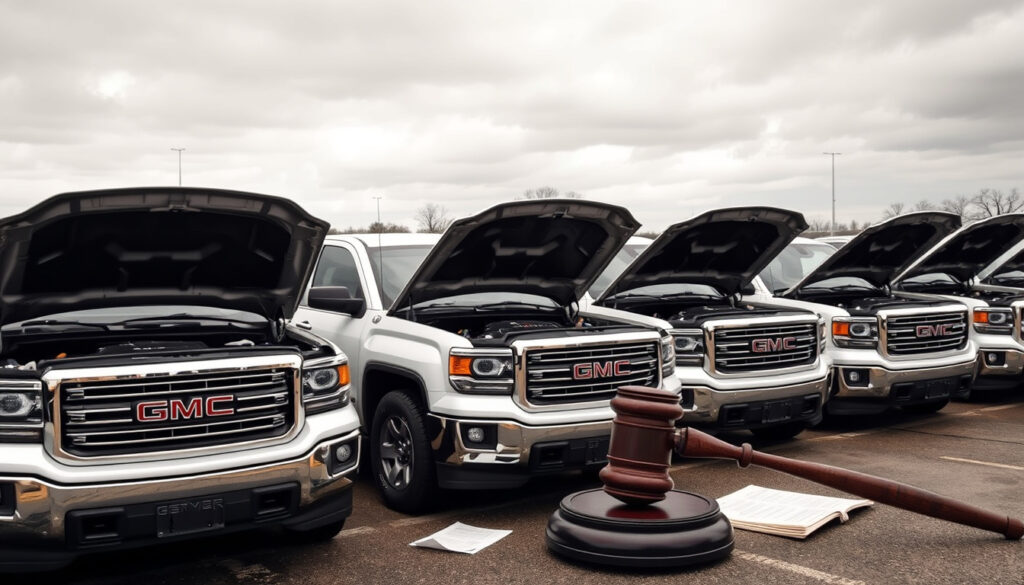
General Motors V8 Engine Lawsuit – Affected Vehicles and Updates
General Motors faces ongoing class action litigation over alleged defects in its popular V8 engines, with plaintiffs claiming the company knew about failures in lifters and valvetrain components but failed to address them properly. The lawsuit centers on vehicles equipped with Active Fuel Management (AFM) and Dynamic Fuel Management (DFM) technology across model years 2014 to present.
The legal action, primarily styled as Harrison, et al. v. General Motors LLC, targets owners of trucks and SUVs powered by 5.3L, 6.0L, and 6.2L V8 engines. Plaintiffs allege that defects in lifter design, materials, and manufacturing cause premature failures even under normal operating conditions, resulting in costly repairs and potential safety risks.
As the litigation progresses through federal court, thousands of vehicle owners await resolution on claims that could affect some of GM’s best-selling products, including the Chevrolet Silverado, GMC Sierra, and Cadillac Escalade.
What Is the General Motors V8 Engine Lawsuit About?
The General Motors V8 engine lawsuit alleges that the automaker sold vehicles with defective lifter and valvetrain components in engines equipped with cylinder deactivation technology. Plaintiffs contend that GM knew about these defects in design, materials, manufacturing, and workmanship yet failed to disclose them to consumers.
According to court filings and legal analysis, the core problem stems from lifters that fail prematurely when operating under the pressurized oil conditions required by AFM and DFM systems. These technologies temporarily deactivate half of the engine’s cylinders during low-load driving to improve fuel economy but place additional stress on valvetrain components.
Key insights from the litigation include:
- Failures occur even under normal use, not just extreme conditions
- Warranty repairs often replace failed parts with identical components that may have the same defects
- GM has faced similar allegations in prior engine litigation
- Out-of-warranty repairs can cost thousands of dollars
- Some owners report problems shortly after the standard warranty expires
- NHTSA has received numerous complaints about related powertrain failures
Background on the Allegations
The lawsuit claims that GM’s warranty repairs have proven inadequate because the company continues to replace failed lifters, rocker arms, and valve springs with components suffering from the same underlying defects. Plaintiffs allege the automaker knew about the problem but chose not to address the root cause, instead blaming consumers for the failures.
Court documents indicate that the pressurized oil system used by AFM and DFM exacerbates stress on lifter components, leading to higher failure rates than would occur in traditional engine designs. The technology, while effective for fuel economy, places unique demands on valvetrain parts that plaintiffs argue GM failed to adequately address.
Key Plaintiffs and Claims
The original Harrison lawsuit filed in federal court included nine plaintiffs representing owners of vehicles from 2014 through 2021 model years. The complaint seeks class action certification to represent all owners and lessees of affected GM vehicles, alleging violations of consumer protection laws and breach of warranty.
According to court filings, early plaintiffs include individuals who leased affected vehicles such as a Silverado beginning in May 2019. The litigation has expanded to include push for class action status covering vehicles through the present day, with particular focus on 2020 and 2021 model year builds that allegedly show the highest failure rates.
| Engine Type | Models Affected | Primary Symptoms | Technology |
|---|---|---|---|
| 5.3L V8 L84 | Silverado, Sierra, Tahoe, Suburban, Yukon, Escalade | Ticking, rod knock, bent pushrods | AFM (2014–2019), DFM (2019+) |
| 6.0L V8 | Silverado, Sierra, Tahoe, Suburban, Yukon | Lifter failure, engine noise, misfires | AFM |
| 6.2L V8 L87 | Silverado, Sierra, Tahoe, Suburban, Yukon, Escalade | Power loss at highway speeds, rod knock | DFM (2019+) |
| 6.2L EcoTec3 | Corvette, CTS-V, Camaro | Ticking, chirping, performance issues | AFM/DFM |
Which GM Vehicles and Engines Are Affected?
The litigation primarily impacts naturally aspirated V8 engines found in GM’s full-size trucks and SUVs. The affected engines include the 5.3L V8 L84, 6.0L V8, and 6.2L V8 variants including the L87 and EcoTec3 engines. These powerplants equipped AFM from 2014 through 2019, with DFM technology introduced in 2019 and continuing to present.
Vehicle-specific recall status can change. Owners should verify their VIN on NHTSA.gov or the GM website to check for any open recalls or service campaigns affecting their specific vehicle.
Model Years and Trims
The lawsuit spans model years 2014 through present for most affected vehicles, with specific attention to 2020 and 2021 builds that have shown elevated failure rates according to plaintiff filings. The core focus remains on GM’s light-duty trucks and full-size SUVs where these engines are most commonly equipped.
- Chevrolet Silverado and Silverado 1500: 2014–present
- GMC Sierra and Sierra 1500: 2014–present
- Cadillac Escalade and Escalade ESV: 2014–present
- Chevrolet Tahoe and Suburban: Various 2014+
- GMC Yukon and Yukon XL: Various 2014+
- Chevrolet Corvette: 2014–2019
- Chevrolet Camaro: 2014–2019
- Cadillac CTS-V: 2016–2019
- Chevrolet Avalanche: 2014–2016
Engine Variants and Technology
The 5.3L V8 L84 represents the most common engine in the litigation, frequently paired with AFM (Active Fuel Management) in earlier model years before transitioning to DFM (Dynamic Fuel Management) in 2019 and later. The 6.0L V8 primarily uses AFM technology, while the 6.2L V8 variants including the L87 feature DFM across recent model years.
A separate lawsuit addresses specifically the L87 6.2L V8 engine defects that cause sudden power loss, particularly at highway speeds, in Silverado, Sierra 1500, Tahoe, Suburban, Yukon, and Escalade models.
What Problems Do GM V8 Engines Face in the Lawsuit?
Plaintiffs in the GM V8 engine lawsuit document a range of symptoms attributed to lifter and valvetrain failures. These problems typically emerge without warning and can lead to significant repair costs or safety concerns if not addressed promptly.
Sudden power loss at highway speeds, as reported in some L87 engine cases, presents genuine safety risks. Drivers experiencing unexpected engine performance issues should pull over safely and contact a GM dealership or certified mechanic for evaluation.
Symptoms Like Rod Knock and Lifter Failure
The most commonly reported symptoms include unusual engine noises such as ticking, chirping, squeaking, and squealing sounds. These noises often indicate lifter failure or damage to related valvetrain components. In more severe cases, owners report rod knock, bent pushrods, and dashboard warning indicators.
Engine misfires and loss of power occur particularly in L87 6.2L engines during highway driving, according to separate litigation. These symptoms can develop suddenly and may worsen if the vehicle continues operating despite warning signs.
AFM/DFM Technology Explained
Active Fuel Management and its successor Dynamic Fuel Management are cylinder deactivation systems that temporarily shut off half of the engine’s cylinders during low-load conditions such as cruising at steady speed. This improves fuel efficiency by reducing pumping losses and combustion workload.
The technology requires complex hydraulic controls and specialized lifters that can deactivate and reactivate individual cylinders rapidly. According to plaintiff allegations, the pressurized oil delivery system and the demands of frequent cylinder activation contribute to premature lifter wear and failure.
The litigation distinguishes between AFM (used 2014–2019) and DFM (introduced 2019+). While DFM offers more flexible cylinder deactivation patterns, both systems rely on similar lifter technology that plaintiffs claim suffers from inherent design and manufacturing defects.
What Is the Current Status of the GM V8 Engine Lawsuit?
As of late 2025, no settlement has been reached in the primary Harrison v. General Motors litigation. The lawsuit, filed over four years ago in U.S. District Court for the Eastern District of Michigan, continues with active proceedings and a recent push for class action certification. The lawsuit, filed over four years ago in U.S. District Court for the Eastern District of Michigan, continues with active proceedings and a recent push for class action certification, with more information available at Pepsi Max caffeine content.
Recent Court Developments
The litigation has seen significant activity in late 2025, with plaintiffs seeking class action status that would allow thousands of additional owners to join the case. The push targets vehicles from model year 2014 through present equipped with the affected 5.3L L84 and other V8 engines with AFM or DFM technology.
Legal proceedings have included motions on behalf of GM, responses from plaintiffs, and ongoing discovery that has revealed internal documents allegedly showing the company’s awareness of the defects. Court documents indicate that warranty repair data and consumer complaints have been central to the discovery process.
Settlement Possibilities
No open settlement claim process exists at this time. Owners with affected vehicles experiencing symptoms should document all repair records and maintain communication with legal counsel as the case progresses. The timeline for resolution remains uncertain given the complexity of the litigation and the ongoing class certification process.
Class action certification, if granted, would significantly expand the scope of the litigation and potentially accelerate settlement negotiations. However, GM retains the right to appeal any adverse rulings, which could extend the process for years.
How Has the GM V8 Engine Lawsuit Evolved Over Time?
The legal battle over GM V8 engine defects has progressed through several key phases since initial filings. Understanding the timeline helps owners assess where the litigation stands and what to expect going forward.
- May 2019: An early plaintiff leased an affected Chevrolet Silverado that would later become part of the litigation record.
- December 2021: The Harrison class action was formally filed in federal court with nine plaintiffs representing owners of 2014–2021 vehicles equipped with AFM/DFM engines.
- 2022–2023: Ongoing discovery and motion practice; warranty repairs criticized as inadequate in court filings.
- 2024: Plaintiffs continue building the case with additional vehicle owner complaints and expert analysis of defect causes.
- December 2025: Push for class action status intensifies, targeting vehicles through the present model year with emphasis on the 5.3L L84 and related engines.
NHTSA has received numerous owner complaints regarding powertrain failures in affected vehicles, and investigations into related issues remain ongoing according to available public filings.
What Is Known and What Remains Unclear About the Lawsuit?
Transparency about what the evidence supports versus what remains unverified helps owners understand the strength of their claims. The following comparison outlines established facts against areas of ongoing uncertainty.
| Established Information | Information That Remains Unclear |
|---|---|
| Lawsuit filed and active in U.S. District Court | Whether class certification will be granted |
| Affected vehicles span 2014–present model years | Timeline for potential settlement or resolution |
| Common symptoms documented (ticking, rod knock) | Full scope of GM’s internal knowledge of defects |
| No broad recall for AFM/DFM lifter failures | Whether DFM technology has lower failure rates |
| Warranty repairs often replace same parts | Specific cause of highest failures in 2020–2021 |
| NHTSA complaints and investigations ongoing | Eligibility for owners in specific states or situations |
What Is the Background of This Legal Battle?
The GM V8 engine litigation represents one of several significant product liability cases involving the automaker’s powertrain technology in recent years. The company’s AFM system first appeared in the late 2000s as a fuel economy measure, but has faced recurring criticism for reliability issues.
Consumer complaints about AFM-related failures have accumulated for over a decade, with online forums and owner groups documenting widespread issues. The decision to pursue class action litigation reflects both the scale of reported problems and the substantial repair costs borne by individual owners.
The separate recall for certain 6.2L L87 connecting rod and crankshaft issues demonstrates that GM has acknowledged some powertrain defects, though this recall addresses different components than those at issue in the lifter litigation. This distinction matters because an existing recall does not automatically qualify owners for relief in the ongoing lawsuit.
What Do Court Documents and Official Statements Say?
Court filings in the Harrison case contain allegations drawn from vehicle records, repair documentation, and what plaintiffs describe as GM’s awareness of defects. While GM has filed motions challenging various claims, the company has not publicly admitted the specific design and manufacturing defects alleged by plaintiffs.
Plaintiffs claim GM knew of defects in lifter design, materials, manufacturing, and workmanship—exacerbated by pressurized oil in AFM/DFM systems—yet failed to disclose them to consumers.
— Harrison, et al. v. General Motors LLC court filings
Warranty repairs provided by GM have been criticized as inadequate because the company continues to replace failed components with identical parts that may share the same underlying defects.
— Legal analysis from Valero Law
Public statements from GM have not specifically addressed the allegations raised in the Harrison litigation. The company maintains that its vehicles meet applicable safety and quality standards while defending against the claims in court.
What Should Owners Know About the GM V8 Engine Lawsuit?
Owners of affected vehicles should take several steps to protect their interests while the litigation proceeds. Documenting repair records, monitoring warranty status, and staying informed about case developments can significantly impact potential eligibility for relief.
Those experiencing symptoms such as engine ticking, rod knock, or unexpected power loss should have their vehicles inspected by qualified technicians. Repair documentation provides essential evidence for any future claims, whether through the class action or individual legal channels.
For owners seeking to understand their options, consulting with attorneys experienced in automotive product liability cases offers the most reliable guidance. Firms involved in the Harrison litigation and similar cases often offer free initial consultations to evaluate potential claims.
Those interested in broader consumer protection topics may find our analysis of recent transportation industry issues provides relevant context for understanding how large corporations respond to systemic quality problems. Similarly, our guide on navigating complex government compensation systems offers insights applicable to pursuing claims through administrative and legal channels.
Are there any recalls related to GM V8 engines?
No broad federal recall exists specifically for AFM/DFM lifter failures as of late 2025. A separate recall covers certain 6.2L L87 V8 connecting rod and crankshaft issues, unrelated to lifters. Owners should check NHTSA.gov for updates.
What compensation can owners get from the GM V8 lawsuit?
Potential remedies include repair, repurchase, or compensation for out-of-warranty costs. No settlement has been reached as of late 2025, so eligibility remains tied to class action certification and individual claims.
Which GM vehicles are affected by the V8 engine lawsuit?
Affected models include Chevrolet Silverado 1500, GMC Sierra 1500, Cadillac Escalade, Chevrolet Tahoe and Suburban, GMC Yukon, Chevrolet Corvette and Camaro, and Cadillac CTS-V from 2014 onward with 5.3L, 6.0L, or 6.2L V8 engines.
What is Active Fuel Management (AFM) in GM V8 engines?
AFM is a cylinder deactivation system that shuts off half the cylinders during light load conditions to improve fuel economy. The lawsuit claims defects in AFM lifters cause premature failures under the system’s pressurized oil conditions.
Has General Motors settled the V8 engine lawsuit?
No settlement has been reached as of late 2025. The Harrison lawsuit continues in U.S. District Court for the Eastern District of Michigan, with a recent push for class action certification targeting vehicles from 2014 onward.
How do I join or check if I qualify for the GM V8 lawsuit?
Contact class counsel such as Capstone Law or firms like Valero Law. Document all repair records, check remaining warranty coverage, and verify your VIN on NHTSA.gov. Eligibility typically requires ownership or lease of an affected vehicle with documented symptoms.
More related posts
 How Many Millions Are in a Billion? Guide to Large Numbers
 American Academy of Pediatrics – Key Guidelines and Facts
 Community First Credit Union: WI, CA & FL Branches
 Cast of The Boys in the Boat: Actors, Roles & Training
 The Seven Deadly Sins: List, Order, Meanings & Virtues
 MS Symptoms in Women – Early Signs and Differences from Men
 Something the Lord Made: True Story, Cast & Where to Watch
 How to Read Music for Beginners: Step-by-Step Guide
