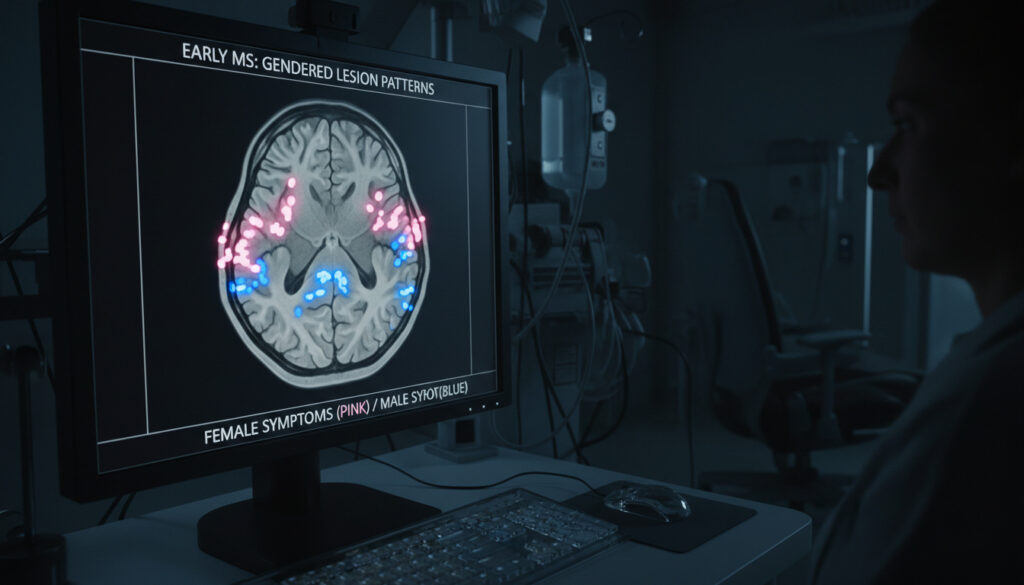
MS Symptoms in Women – Early Signs and Differences from Men
Multiple sclerosis manifests distinctly in women, who represent 70 to 75 percent of all diagnosed cases globally. The autoimmune condition attacks the central nervous system with particular prevalence among females, typically emerging between ages twenty and forty. Understanding these gender-specific patterns is crucial for timely intervention.
Women frequently face unique diagnostic challenges. Initial symptoms such as persistent fatigue or sensory disturbances often receive dismissal as stress-related or lifestyle-induced, particularly in younger patients. This delay can postpone disease-modifying therapies that prove most effective when initiated early.
Recognizing the specific symptom profile in females enables faster referral to neurology specialists. Early identification of relapsing-remitting patterns, coupled with awareness of hormonal influences on disease activity, supports better long-term management outcomes.
What Are the Most Common MS Symptoms in Women?
3-4x more common in women than men
Fatigue and sensory disturbances dominate
Numbness, tingling, and vision changes
MRI imaging and neurological examination required
- Fatigue affects approximately 80% of women with MS, often serving as the most disabling symptom
- Relapsing-remitting MS accounts for 65-75% of initial diagnoses in women
- Optic neuritis occurs more frequently in women than men as a first episode
- Estrogen may provide neuroprotective effects during early disease stages
- Women experience higher rates of anxiety and depression alongside physical symptoms
- Symptom severity often fluctuates with menstrual cycle phases
- Menopause frequently coincides with increased symptom intensity or progression
| Fact | Detail |
|---|---|
| Women Affected | 70-75% of all MS cases |
| Most Common Type | Relapsing-remitting MS (65-75%) |
| Typical Onset Age | 20-40 years |
| Top Symptom | Fatigue (approximately 80%) |
| Gender Ratio | Women 3-4 times more likely than men |
| Common First Episode | Optic neuritis or transverse myelitis |
| Hormonal Factor | Estrogen fluctuations affect symptom severity |
| Diagnostic Delay | Often occurs due to symptom dismissal in young women |
How Do MS Symptoms Differ Between Women and Men?
Disease Course and Clinical Presentation
Women predominantly develop relapsing-remitting MS, characterized by distinct flare-ups followed by recovery periods. Men, conversely, face primary progressive MS at equal rates to relapsing forms, experiencing continuous neurological decline without remission phases. Clinical data confirms this fundamental difference shapes long-term prognosis and treatment strategies significantly.
Physical Progression and Disability
Despite earlier symptom onset, women often maintain physical function longer initially due to estrogen’s protective effects. Men typically encounter faster progression toward disability, requiring assistive devices sooner. Research indicates men demonstrate increased brain atrophy and more rapid cognitive decline compared to female counterparts. Men also experience later onset, typically around midlife, approximately ten years later than women.
Young women presenting with fatigue and numbness frequently encounter dismissal of symptoms as lifestyle-related stress, resulting in diagnostic delays averaging months to years. Early neurological consultation remains essential.
What Are the Early Signs of MS in Women?
Neurological and Sensory Indicators
The initial manifestations often include optic neuritis, presenting as painful vision loss or blurred sight in one eye. Clinical observations identify partial transverse myelitis—characterized by limb weakness, bladder dysfunction, and walking difficulties—as another typical starting point. Numbness and tingling sensations, particularly in extremities, signal emerging nerve damage.
Systemic and Cognitive Changes
Early cognitive difficulties involve memory lapses and concentration challenges. The “MS hug” describes a distinctive torso tightness resembling banding pressure. Cleveland Clinic data notes bladder changes, including frequency and hesitancy, alongside sexual dysfunction such as anorgasmia or dyspareunia, as common early presentations in women.
What Does an MS Flare-Up Feel Like in Women?
Relapses in relapsing-remitting MS involve new or worsening symptoms persisting at least twenty-four hours, separated from previous episodes by thirty days. Women experience these inflammatory events more frequently than men, often describing sudden vision changes, heightened fatigue, or intensified sensory disturbances. Symptom tracking reveals hormonal fluctuations frequently precede flare-ups.
Symptoms often intensify during luteal phases of menstrual cycles and may shift during perimenopause. Maintaining detailed symptom journals helps identify personal patterns and optimize treatment timing.
A genuine MS flare requires new or worsening neurological symptoms lasting minimum 24 hours, distinct from previous episodes by at least 30 days. Pseudoexacerbations caused by heat or stress resolve within 24 hours.
How Does MS Progress Over Time in Women?
- Numbness and Visual Disturbances. Women typically first notice tingling in extremities or optic neuritis. Pacific Neuroscience Institute identifies this stage occurring most frequently between ages 20-40.
- Acute Inflammatory Episode. Distinct flare-ups introduce new symptoms such as weakness or balance problems, followed by partial or complete recovery periods.
- Cyclical Symptom Patterns. Women experience discrete attacks with varying recovery degrees, often influenced by hormonal cycles and pregnancy.
- Secondary Progressive MS. Some women develop steady progression without remission phases, though this transition timing varies significantly among individuals.
What Is Established About MS in Women and What Remains Unclear?
Established Facts
- Women comprise 70-75% of MS cases globally
- Relapsing-remitting MS predominates in females
- Fatigue affects the vast majority of women with MS
- Estrogen provides temporary neuroprotection
- Men experience faster physical progression despite later onset
Uncertain Areas
- Exact mechanisms causing female predominance
- Specific pregnancy impact on long-term disability
- Why diagnostic delays disproportionately affect women
- Precise role of vitamin D in female-specific risk
Why Are Women More Likely to Develop MS?
The female predominance in multiple sclerosis remains incompletely understood, though researchers identify hormonal and genetic factors as primary contributors. Current evidence suggests estrogen modulates immune system responses, potentially triggering autoimmune attacks in genetically susceptible individuals. Environmental influences including vitamin D deficiency and Epstein-Barr virus exposure interact with these biological predispositions.
Hormonal fluctuations throughout reproductive years significantly influence disease expression. While estrogen appears protective early in the disease course, menopause often correlates with increased symptom severity. American Academy of Pediatrics Guidelines emphasize the importance of recognizing autoimmune patterns in adolescent females presenting with neurological complaints.
What Do Medical Experts Say About MS in Women?
Women experience more relapses initially, but men tend toward faster overall progression and greater disability accumulation.
— Neurological Research Findings, Healthline Medical Review
Early recognition of symptoms allows for timely intervention with disease-modifying therapies that can slow progression.
What Should Women Know About MS Symptoms?
Multiple sclerosis presents distinct challenges for women, who face higher diagnosis rates yet often encounter significant delays in recognition of initial symptoms. Understanding the predominance of fatigue, sensory changes, and relapsing-remitting patterns enables faster medical consultation. While hormonal influences complicate the clinical picture, they also offer insights into personalized treatment approaches. Cluster B Personality Disorders research underscores the importance of differentiating neurological symptoms from psychiatric presentations during diagnostic evaluation.
What symptoms mimic MS in women?
Conditions including lupus, Lyme disease, and fibromyalgia present similar fatigue and pain patterns. Vitamin B12 deficiency and migraines can also replicate neurological symptoms. Definitive diagnosis requires MRI and neurological examination.
Can stress trigger MS symptoms?
Stress may precipitate pseudoexacerbations—temporary symptom flare-ups without new lesion activity. Chronic stress potentially worsens existing symptoms through inflammatory pathways, though it does not cause MS directly.
Does pregnancy worsen MS symptoms?
Pregnancy typically reduces relapse rates during second and third trimesters, though postpartum periods show increased risk. Specific long-term impacts remain under investigation, requiring individualized therapy planning with specialists.
How is MS definitively diagnosed?
Diagnosis combines neurological examination, MRI imaging showing demyelinating lesions, and sometimes lumbar puncture for cerebrospinal fluid analysis. Evoked potential tests measure electrical activity in response to stimuli.
Can MS go into remission permanently?
Some patients experience long-term remission, particularly with early disease-modifying therapy. However, MS remains a chronic condition without known cure. Relapsing-remitting forms may transition to progressive stages over decades.
Are there specific blood tests for MS?
No definitive blood test exists. Blood work primarily excludes other conditions like vitamin deficiencies or autoimmune disorders. Diagnosis relies on imaging and clinical criteria established by neurologists.
More related posts
 Mountain America Routing Number – 324079555 All States Guide
 Cast of Nobody 2: Full Roster of Returning & New Actors (2025)
 William H. Macy Movies and TV Shows: Full Filmography Guide
 Who Wrote the Declaration of Independence – Jefferson, Committee & Facts
 United Airlines Flights Ground Stop – Causes, Impacts and Passenger Tips
 Top Movies to Stream Right Now on Netflix & Prime
 She’s the Man Cast: Full List of Actors and Characters (2006)
 Back Exercises with Dumbbells: Build Strength at Home
