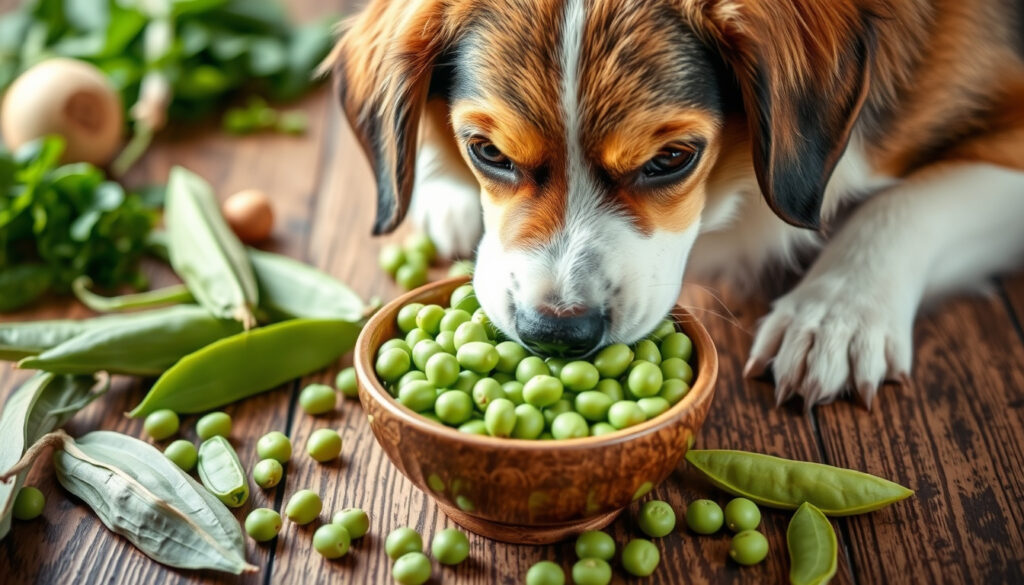
Can Dogs Eat Peas – Safety, Benefits, Risks and Feeding Guide
Peas rank among the most commonly asked-about vegetables when it comes to feeding dogs. Pet owners frequently wonder whether these small green legumes belong in their canine companion’s bowl or should be avoided altogether. The good news is that peas are generally considered safe for dogs when served properly, making them a popular ingredient in many commercial dog foods.
These vegetables pack a surprising nutritional punch, offering vitamins, fiber, and protein in a low-calorie package. However, not all pea varieties are created equal, and preparation methods matter significantly when sharing this snack with your pet. Understanding the nuances helps dog owners make informed decisions about incorporating peas into their pet’s diet.
This guide breaks down everything you need to know about feeding peas to dogs, from safety considerations and nutritional benefits to portion guidelines and potential risks.
Are Peas Safe for Dogs?
Peas are non-toxic to dogs and are frequently included in commercial dog food formulations, making them a familiar part of many canine diets. The American Kennel Club confirms that plain peas, when prepared correctly, represent a safe treat option for most dogs. Preparation methods and ingredient quality make the difference between a healthy snack and a problematic one.
Peas are safe for dogs in moderation. Choose plain, unseasoned varieties and avoid canned options with added sodium or preservatives.
Yes, plain peas are non-toxic
Fresh or frozen green peas
Canned, salted, seasoned varieties
Under 10% of daily calories
- Peas contain vitamins A, B, C, and K supporting different bodily functions
- Zinc and magnesium in peas contribute to immune health and bone strength
- Fiber content aids digestive regularity and gut health
- Protein in peas supports muscle maintenance and growth
- Antioxidants help protect cells from damage and support overall immunity
- Low calorie count makes them suitable for weight-conscious dogs
| Nutrient | Benefit for Dogs | Consideration |
|---|---|---|
| Vitamin A | Vision and skin health | Supports immune function |
| B Vitamins | Energy metabolism | Supports nervous system |
| Vitamin C | Immune system support | Acts as antioxidant |
| Vitamin K | Blood clotting | Supports bone health |
| Protein | Muscle maintenance | Essential amino acids |
| Fiber | Digestive regularity | Gut health support |
| Iron | Oxygen transport | Red blood cell production |
| Potassium | Fluid balance | Muscle function |
Plain Peas vs. Seasoned Varieties
The distinction between plain and seasoned peas cannot be overstated when it comes to canine safety. Plain green peas served without any additions represent the safest choice. Coated peas, buttered varieties, or those seasoned with garlic, onion, or salt should never reach your dog’s bowl. These additions can cause digestive upset or, in the case of garlic and onion, potentially toxic reactions.
Can Dogs Eat Different Types of Peas?
Several pea varieties exist, and each carries different considerations for canine consumption. Understanding these distinctions helps pet owners choose the safest options and prepare them appropriately.
Snow Peas and Sugar Snap Peas
Snow peas and sugar snap peas differ from garden peas in their pod texture and structure. The PetMD nutrition guidelines note that these flatter pod varieties are generally edible for dogs when the pods are soft enough for humans to eat. However, tough garden pea pods can pose choking risks or cause digestive blockages and should be avoided or chopped into very small pieces.
Canned Peas
Canned peas represent the least desirable option for dogs. High sodium content, preservatives, added oils, and potential spices make them risky. According to Ultimate Pet Food guidelines, these additives can cause dehydration, vomiting, or diarrhea. If canned peas are the only available option, rinsing them thoroughly helps reduce sodium levels, though fresh or frozen alternatives remain preferable.
Raw Peas
Raw peas present a generally safe option with one important caveat. Small dogs and puppies face the greatest choking risk from whole raw peas, according to MetLife Pet Insurance nutrition resources. Mashing raw peas before serving eliminates this hazard and makes them easier to digest. Larger breeds typically handle whole raw peas without difficulty, though monitoring during eating remains advisable.
Frozen peas should be thawed before serving to prevent clumping. Raw peas for small dogs should be mashed to reduce choking risk. Always avoid canned varieties due to sodium and preservatives.
Benefits and Risks of Peas for Dogs
Peas offer genuine nutritional value while presenting some risks that responsible pet owners should understand. Balancing these factors helps determine whether peas belong in your dog’s treat rotation.
Nutritional Benefits
The Rover nutrition guide highlights that peas provide a low-calorie source of B vitamins, zinc for immune support, and fiber promoting gut health. Protein content supports muscle development, while antioxidants contribute to a stronger immune system. These nutrients work together to support weight management, joint function, and overall organ health.
Potential Digestive Issues
While fiber aids digestion in moderate amounts, excessive pea consumption leads to problems. Gas, bloating, vomiting, diarrhea, or constipation can result from overindulgence, reports Chewy’s pet nutrition education. Starting with small quantities and observing your dog’s reaction over 24 to 48 hours helps identify tolerance levels.
Some dogs experience increased gas when eating peas. If your pet shows discomfort, reduce portion sizes or eliminate peas from their diet. Every dog’s digestive system responds differently.
Choking Hazards
Whole or large peas pose choking risks, particularly for puppies, small breeds, and senior dogs. Pea pods can also cause obstructions if swallowed whole. Supervision during eating and appropriate preparation significantly reduces these dangers.
How Many Peas Can Dogs Eat?
Portion control represents perhaps the most critical aspect of feeding peas to dogs. Experts recommend keeping pea consumption under 10% of a dog’s daily caloric intake, according to NativePet’s feeding guide. A few peas as occasional treats or mixed into regular meals provides the right balance without overloading the digestive system.
Portion Guidelines by Dog Size
Serving sizes should scale with your dog’s size. Toy breeds might handle one or two peas per serving, while medium and large breeds can enjoy three to five peas. Small, infrequent servings minimize digestive upset while still providing nutritional benefits. Introducing peas gradually allows you to monitor your individual dog’s tolerance and adjust accordingly. Understanding How Many Oz in a Pint can help with portion measurement if needed.
Puppies and Senior Dogs
Puppies can safely enjoy peas in small portions similar to adult guidelines. However, Chewy recommends mashing peas for puppies to reduce choking risk and introducing them gradually. No puppy-specific contraindications exist, though individual sensitivities should always be monitored. Senior dogs may have more sensitive digestive systems, so smaller portions and careful observation remain important.
Treats including peas should make up less than 10% of your dog’s daily calories. Start with just a few peas and watch for any adverse reactions over 24 to 48 hours before increasing portions.
What We Know and What Remains Unclear
Scientific consensus establishes certain facts about peas and canine health while leaving some questions open for individual variation and ongoing research.
Established Facts
- Peas are non-toxic and safe in moderation
- Fresh and frozen peas are preferable to canned varieties
- Portion control prevents digestive issues
- Mashing helps small dogs digest peas safely
- Vets recommend consulting before adding new foods
- AKC and PetMD confirm peas as safe occasional treats
Areas of Uncertainty
- Individual dogs may react differently to peas
- Optimal serving sizes vary by breed and activity level
- Long-term effects of frequent pea consumption unclear
- Connection between peas and specific health conditions varies
- Allergic reactions, while rare, remain possible
Dogs with existing health conditions require special consideration. Those with kidney disease, urinary history, or heart issues should only consume peas under veterinary supervision, as noted by MyWoof health resources. Puppies and senior dogs similarly benefit from professional guidance before dietary changes.
Understanding Peas in a Dog’s Diet
Peas represent one of many vegetables suitable for canine consumption, sitting alongside carrots, green beans, and cucumbers as options for adding variety to your pet’s nutrition. Their protein content distinguishes them from many other vegetables, making them particularly valuable for muscle maintenance. Fiber levels support digestive health, while the low-calorie profile assists with weight management goals.
Commercial dog foods commonly include peas not just for nutrition but also for binding properties in grain-free formulations. Research examining potential connections between high-pea diets and heart conditions has shown no direct link when balanced diets contain up to 45% pulses, according to Years nutrition research. However, peas should complement rather than dominate a canine diet, with variety remaining important for optimal nutrition.
Expert Views on Feeding Peas to Dogs
Veterinary organizations and pet health experts generally agree on the basic safety profile of peas for dogs, though they emphasize moderation and proper preparation in their guidance.
“Peas are a safe, healthy treat that most dogs can enjoy in moderation. They provide vitamins, minerals, and fiber that support overall health when fed as part of a balanced diet.” — VCA Animal Hospitals
“Plain peas are non-toxic to dogs and commonly found in commercial dog foods. The key is serving them plain, without added salt, butter, or seasonings that could cause problems.” — ASPCA Pet Care Guidelines
These expert perspectives reinforce that peas belong in the category of safe, beneficial treats when pet owners exercise appropriate caution and attention to preparation methods.
The Bottom Line on Dogs and Peas
Peas rank among the safer vegetable options for dogs, offering meaningful nutritional benefits including vitamins, protein, fiber, and antioxidants. Serving them plain, in appropriate portions, and prepared according to your dog’s size ensures the best experience. Avoiding canned varieties, seasoned preparations, and excessive quantities prevents the most common problems associated with feeding peas to dogs.
Every dog responds differently to new foods, making gradual introduction and careful observation essential practices. Consulting with your veterinarian before significantly changing your pet’s diet remains the wisest approach, particularly for dogs with pre-existing health conditions.
Do peas cause gas in dogs?
Yes, some dogs experience increased gas or bloating after eating peas. If this occurs, reduce portion sizes or remove peas from your dog’s diet. Individual tolerance varies significantly between dogs.
Can dogs eat peas with carrots?
Yes, dogs can safely eat peas combined with carrots. Both vegetables are safe and provide complementary nutrients. Introduce mixed vegetables gradually and monitor for any digestive reactions.
Are frozen peas safe for dogs?
Yes, frozen peas are safe when thawed before serving. Thawing prevents clumping and makes them easier to chew and digest. Avoid adding butter, salt, or seasonings.
Can puppies eat peas?
Yes, puppies can eat peas in small portions. Mash them first to prevent choking and introduce gradually while monitoring for any digestive sensitivity or allergic reactions.
Do peas cause kidney problems in dogs?
Peas contain purines that can increase uric acid levels. Dogs with existing kidney disease or urinary history should consume peas only under veterinary supervision. Most healthy dogs face no increased risk from moderate consumption.
Can dogs get heart disease from eating peas?
Current research shows no direct link between peas and heart disease in dogs eating balanced diets with up to 45% pulses. The earlier concerns about grain-free diets have not been confirmed when overall nutrition remains complete and balanced.
More related posts
 Sno Pac Frozen Spinach Recall: Listeria Alert Details
 Richard T. Jones: Biography, Career & Personal Life
 Places to Rent Near Me – Top Sites, Tips and Local Listings
 Chief of War Episodes: Complete Guide to Season 1
 Vivienne Westwood Wedding Dress: Cost, Styles, Celebrity Wearers
 Where Does Charlie Kirk Live? Residence and Home Sale Info
 Can You Get Pregnant When You’re Not Ovulating? Facts
 Golden State Warriors vs New Orleans Pelicans Match Player Stats – Box Score and Key Insights
